Guide · Buying a bostadsrätt
Hidden defects in a bostadsrätt — your rights and how to protect yourself
The damp behind the tiles, the wiring that was never inspected, the water damage hidden under fresh paint. Hidden defects in Swedish co-op apartments (bostadsrätter) are regulated more strictly against the buyer than most people think — you have only two years, and your duty to investigate is extensive. Here's the law, and how to spot the risks before you place a bid.
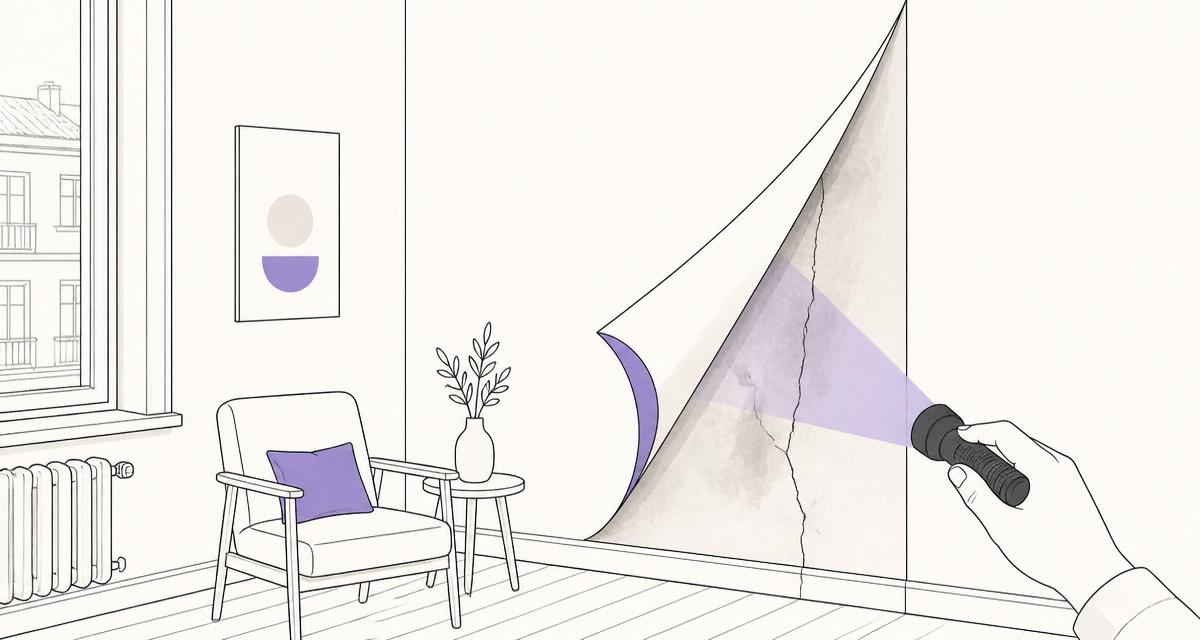
01What counts as a hidden defect in a bostadsrätt?
A hidden defect is one that existed at the time of purchase, that you couldn't have discovered through a careful inspection, and that you also had no reason to expect given the apartment's age, price and condition. All three conditions must be met — a 40-year-old apartment with its original bathroom, for example, is expected to show wear, so that isn't considered a hidden defect.
Good to know
A bostadsrätt is legally movable property — it's the Sale of Goods Act (Köplagen) that applies, not the Land Code (Jordabalken) used for houses. That gives you shorter time limits and different liability rules than when buying a house.
02Bostadsrätt vs house — completely different rules
Many buyers assume the same ten-year liability applies as for houses. It doesn't — the differences are significant:
| Bostadsrätt | House | |
|---|---|---|
| Law | Köplagen | Jordabalken |
| Liability period | 2 years | 10 years |
| Usually sold | As is | Without a general disclaimer |
| Claim deadline | Within a reasonable time after discovery | Within a reasonable time after discovery |
Two years sounds like a long time, but damp and structural defects often show up later than that. For bostadsrätt purchases, careful review before the purchase is by far your most important protection.
03Your duty to investigate is extensive
You can't later claim a defect that you should have discovered during an inspection — especially not if the seller invited you to inspect the apartment. In practice, that means you're expected to:
- Go through the entire apartment, including behind furniture, in cupboards and under the sink
- Check for visible signs of damp: discoloration, bubbling floors, odours
- Read the inspection report and the seller's disclosure list (frågelista) carefully
- Ask about the age of the bathroom, kitchen, wiring and any renovations — and get the answers in writing
- Verify that renovations were done professionally, with certificates and quality documentation
Conversely: if the seller gave incorrect information or deliberately withheld knowledge of serious defects, the seller is liable even if the apartment was sold as is.
04The most common hidden defects in bostadsrätter
Damp damage in bathrooms. Missing or aged waterproofing membrane behind the tiles. The most expensive and most common category — a new bathroom costs 250,000–400,000 kr.
Water damage hidden by surface finishes. Old leaks that were painted or floored over instead of being dried out and properly repaired.
Faulty electrical work. Wiring done without a licensed electrician — a fire risk that often requires a complete rewire.
Non-professional renovations. Kitchens and bathrooms without quality documentation, wet-room certificates or building permits. Insurance can deny claims after damage occurs.
Pests. Silverfish, bed bugs or ants that were present before possession but only became apparent later.
Ventilation problems. Blocked ducts or fans wrongly connected to natural-draft systems — causing damp and poor indoor air quality.
05If you've already bought: how to file a claim
- 01
Document the defect immediately. Photograph, film and note the date you discovered the defect. Don't disturb the damage more than necessary before it's documented.
- 02
Complain in writing to the seller. Send an email or letter within a reasonable time — don't wait. Describe the defect and state that you hold the seller responsible. Keep copies.
- 03
Bring in an independent inspection. An inspector or tradesperson can confirm the nature and age of the defect, and that it wasn't detectable at the time of purchase.
- 04
Demand a remedy. Usually a price reduction or repair by the seller. For material defects the purchase can be annulled, and damages may also apply.
- 05
Get legal help if the seller refuses. The legal-expenses cover in your home insurance often covers a large share of legal costs in a dispute.
06Best protection: find the risks before you bid
Because the liability period is short and the duty to investigate extensive, you gain the most by moving your review to before the bidding starts. The answers are almost always in the documents already attached to the listing:
The inspection report. Damp notes, risk constructions and remarks — even small notes can mean large costs.
The seller's disclosure list (frågelista). This is where known defects, water damage and renovations must be disclosed. Vague or empty answers are themselves a warning sign.
The annual report. Planned pipe replacements and deferred maintenance in the building affect both the fee and the risk of damage inside the apartment.
The bylaws. Show exactly where the line falls between your maintenance responsibility and the housing co-op's — crucial if something breaks.
Want to dig deeper into what the report actually says? Read our guide on inspecting a bostadsrätt, our checklist for the housing co-op's finances and our breakdown of hidden-defect insurance.
Frequently asked questions
What counts as a hidden defect in a bostadsrätt?
Three conditions must all be met: the defect existed at the time of purchase, it could not be discovered during a thorough inspection, and you had no reason to expect it given the home's age, price and condition. A worn original bathroom in a 40-year-old apartment is therefore not a hidden defect — moisture damage behind newly renovated tiles can be.
What are common examples of hidden defects in a bostadsrätt?
The most common examples are moisture damage behind bathroom tiles, old water damage painted or floored over, faulty electrical installations, renovations without wet-room certificates or quality documentation, pests present before possession, and ventilation problems. Moisture and water damage are the most expensive — a new bathroom often costs SEK 250,000–400,000.
Do the same hidden-defect rules apply to apartments and houses?
No. A bostadsrätt apartment is movable property governed by the Sale of Goods Act: the seller's liability lasts two years and the apartment is almost always sold ”as is”. A house is real property under the Land Code, where the seller is liable for hidden defects for ten years after possession.
How long can I claim for hidden defects in a bostadsrätt?
You must complain within a reasonable time after discovering the defect — in practice within a couple of months. The absolute outer limit is two years from possession under the Sale of Goods Act (Köplagen). That's far shorter than for houses, where the Land Code (Jordabalken) gives you ten years.
Who is responsible for the defect — the seller or the housing co-op?
It depends on where the defect is. The housing co-op (BRF) is normally responsible for pipes, roof, facade and other shared parts under the bylaws. For defects inside the apartment — surfaces, bathroom, wiring within the unit — a hidden-defect claim is directed at the seller. Read the bylaws to see the exact division of responsibility.
What does it mean that the apartment is sold ”as is”?
Almost all bostadsrätter are sold ”as is” (i befintligt skick), which limits the seller's liability. But under the Sale of Goods Act the seller is still liable if the apartment is in materially worse condition than you could reasonably expect given its price and age, or if the seller failed to disclose serious defects they knew about.
What can I demand from the seller for a hidden defect?
Primarily a price reduction corresponding to the defect's value, or that the seller remedies the defect. For material defects the purchase can be rescinded, and you may be entitled to damages for consequential costs. The claim is made in writing against the seller — not the co-op — and you must complain within a reasonable time after discovery.
Is there hidden-defect insurance for a bostadsrätt?
Hidden-defect insurance is most common for house sales, but versions exist for bostadsrätter too — usually taken out by the seller. As a buyer, your best protection is instead to carefully review the inspection report, the seller's disclosure list (frågelista) and the annual report before you bid.
Let AI review the documents before you bid
Bokoll reads the inspection report, the disclosure list, the annual report and the bylaws directly from the Booli link — flagging damp notes, risky renovations and deferred maintenance with page references back to the source documents. So you find the hidden defect while it's still the seller's problem.